
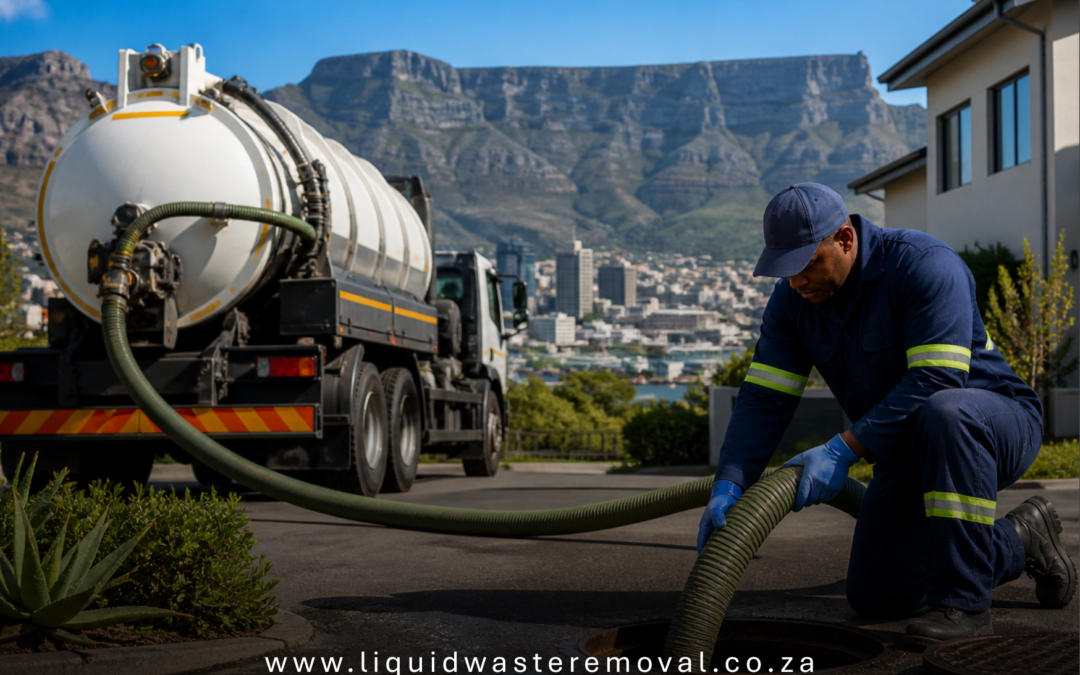
Managing liquid waste isn’t something most people think about—until there’s a problem. Whether it’s a blocked septic tank, overflowing grease trap, or industrial waste buildup, improper handling can quickly turn into a health hazard and an environmental risk.
For homeowners, businesses, and industrial operations across South Africa, professional liquid waste removal isn’t just a convenience—it’s essential.
What Is Liquid Waste?
Liquid waste refers to any waste material in liquid form. This includes:
- Sewage and wastewater
- Grease trap waste from restaurants
- Septic tank contents
- Industrial liquid waste
- Stormwater runoff contaminated with pollutants
If not handled correctly, these waste types can contaminate water sources, damage infrastructure, and pose serious health risks.
Why Professional Liquid Waste Removal Matters
1. Protects Your Health
Untreated waste contains harmful bacteria, viruses, and chemicals. Exposure can lead to illnesses and long-term health issues. Professional removal ensures safe handling and disposal.
2. Prevents Environmental Damage
Improper disposal can contaminate rivers, soil, and groundwater. Licensed waste removal services follow strict environmental regulations to minimise impact.
3. Keeps Your Systems Running Smoothly
Blocked tanks and systems can cause backups, foul odours, and costly damage. Regular maintenance prevents unexpected breakdowns.
4. Ensures Legal Compliance
South African regulations require proper waste disposal. Businesses especially must comply with environmental and municipal laws—or risk fines and penalties.
Common Liquid Waste Problems in Cape Town
Cape Town’s infrastructure and weather conditions can contribute to liquid waste challenges:
- Heavy rains causing system overloads
- Grease buildup in commercial kitchens
- Aging septic systems in residential areas
- Industrial waste management requirements
Without regular servicing, these issues can escalate quickly.
Who Needs Liquid Waste Removal Services?
Professional services are essential for:
- Restaurants & commercial kitchens (grease traps)
- Residential properties (septic tanks)
- Construction sites
- Industrial facilities
- Hospitals & healthcare facilities
If your property produces or stores liquid waste, routine removal is critical.
How Often Should You Schedule a Service?
The frequency depends on usage:
- Homes with septic tanks: every 6–12 months
- Restaurants: every 1–3 months
- Industrial sites: based on volume and regulations
Regular inspections can help determine the right schedule for your needs.
Why Choose Liquid Waste Removal?
At Liquid Waste Removal, we provide:
- Fast and reliable service across Cape Town
- Safe and compliant waste disposal
- Modern vacuum tanker equipment
- Experienced and professional technicians
- Emergency call-outs when you need them most
We understand the urgency of liquid waste issues and respond quickly to keep your systems running efficiently.
Final Thoughts
Liquid waste management isn’t just about removing waste—it’s about protecting your property, your health, and the environment. By investing in professional services, you avoid costly repairs, ensure compliance, and maintain a safe, clean space.
Need Reliable Liquid Waste Removal?
Don’t wait for a problem to escalate.
Contact Liquid Waste Removal today for fast, professional service you can trust.
Recent Comments